When the Hendersons replaced their carpet with white oak floors, they kept their old upright vacuum — the one with the aggressive beater bar they'd loved on carpet. Within a month, the floors had fine scratches in the high-traffic lanes, and every cleaning session ended with dust bunnies being flung across the room instead of picked up. Their vacuum wasn't broken. It was just built for a different floor.
Hardwood is the least forgiving floor surface to clean wrong. Carpet hides mistakes; wood shows every scratch, and grit left behind acts like sandpaper underfoot. The good news: hardwood is also the easiest floor to clean right, because the right vacuum for the job is simpler than a carpet machine. Here's what actually matters.
What Hardwood Needs (and What Hurts It)
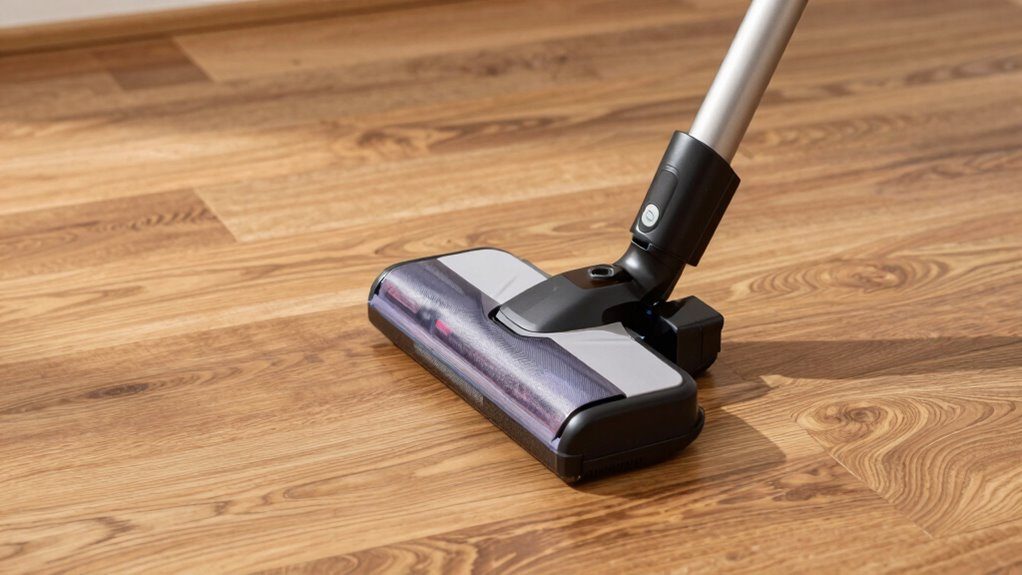
Soft or no brushroll. The number-one rule. A stiff rotating beater bar — great for agitating carpet — scatters debris on hard floors and can micro-scratch finishes over time. Look for vacuums with a dedicated hard-floor mode that stops the brushroll, or a soft roller head designed for bare floors.
Strong, sealed suction. Without carpet fibers to agitate, cleaning power comes from airflow. Sealed HEPA filtration matters too: fine dust that escapes the exhaust just resettles on the floor you cleaned.
Soft wheels and bumpers. Hard plastic wheels can scratch; look for rubber-coated wheels and soft bumper strips around the cleaning head. This is where cheap vacuums quietly damage floors.
Weight and maneuverability. You'll vacuum hardwood more often than carpet (it shows everything), so a machine you dread dragging out won't get used. Lightweight sticks and canisters win on compliance alone.
The right attachments. A crevice tool for baseboard edges, a soft dusting brush for vents and blinds, and an upholstery tool for furniture round out a hardwood kit. Onboard storage for these tools matters more than you'd think — attachments buried in a closet don't get used.
Cordless Stick vs. Canister vs. Upright
Cordless sticks (like the Dyson and Eureka above) are the daily drivers of hardwood homes — grab, clean, done. Best for maintenance cleaning and smaller homes.
Canisters (Miele, Bissell, Kenmore) are the deep-clean champions: more suction, bigger capacity, gentler floorheads, and they follow you instead of being pushed. Best for larger homes and meticulous cleaners.
Uprights with hard-floor mode (Shark) split the difference — one machine for mixed homes with both wood and area rugs.
Wet-dry hybrids (Tineco) replace both vacuum and mop for maintenance. They don't deep-clean like a dedicated machine, but for busy households they're the highest-compliance option: one pass, done.
Mistakes That Scratch Floors
- Running a carpet beater bar on wood. If your vacuum can't disable the brushroll, it's the wrong vacuum for hardwood.
- Skipping the felt pads. Check the bottom of any cleaning head for rough edges or worn wheels — replace them before they skate across your finish.
- Vacuuming grit with a full bag or bin. Suction drops, the head drags, and debris gets pushed around instead of lifted.
- Ignoring transitions. Metal strip edges between rooms catch debris; vacuum them deliberately instead of bumping over.
Frequently Asked Questions
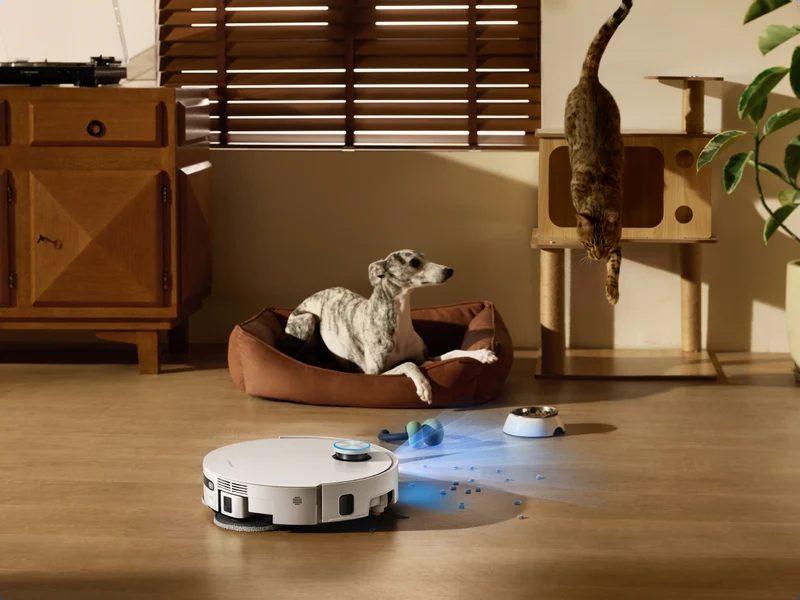
Can I use a robot vacuum on hardwood? Yes — most modern robots are gentle on wood and great for daily maintenance. Just make sure the model has soft brushes and cliff sensors, and deep-clean with a full-size vacuum periodically.
How often should I vacuum hardwood floors? High-traffic areas: two to three times a week. Whole house: weekly. Grit is the enemy — the more foot traffic, the more often you should vacuum.
Are bagged or bagless vacuums better for hardwood? Bagged (like the Miele) keeps dust sealed away completely, which allergy sufferers prefer. Bagless is cheaper to run and fine for most homes — just empty the bin outside or into a bag.
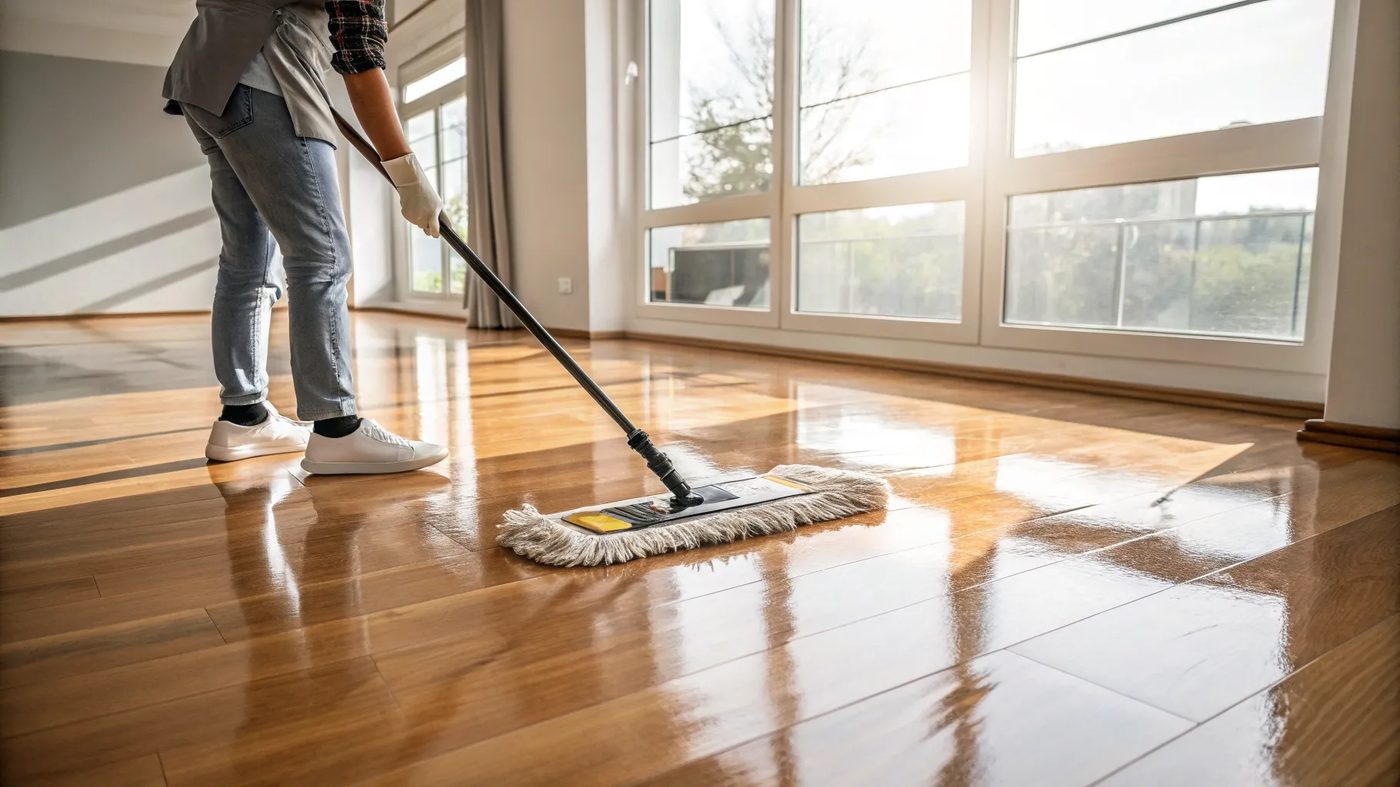
Do I still need to mop if I vacuum well? Yes, but less often. Vacuuming removes grit and dust; damp mopping removes the film that vacuuming leaves behind. Weekly vacuuming plus monthly damp mopping keeps hardwood looking new.
The Bottom Line
Match the machine to the floor: soft or switchable brushroll, sealed suction, gentle wheels. A lightweight stick you'll actually use beats a powerful upright you avoid. Your floors will show the difference within weeks.
Our Top Picks
Dyson V15 Detect Cordless Vacuum
Laser dust illumination and powerful suction in a lightweight cordless. The hardwood specialist's flagship.
- Laser reveals dust invisible to the eye
- Whole-machine HEPA filtration
- Premium price; battery lasts ~60 min on eco
Shark Navigator Lift-Away NV352
A budget-friendly upright with a hard-floor mode that turns off the brushroll — exactly what wood floors want.
- Brushroll shutoff protects finishes
- Lift-away canister reaches stairs
- Bulkier to store than a stick vacuum
Miele Classic C1 Pure Suction Canister
German-built canister with a parquet floorhead and legendary durability. Quiet, gentle, and lasts for years.
- Parquet head glides without scratching
- Extremely quiet operation
- Bags are an ongoing cost
Bissell Hardwood Floor Expert 11621
A purpose-built hard-floor canister with soft bristles and a slim profile that slides under furniture.
- Designed specifically for bare floors
- Very affordable for the performance
- Not ideal for thick carpet transitions
Tineco Floor One S5 Smart Wet Dry Vacuum
Vacuums and mops in one pass with smart dirt detection. For hardwood owners who want one machine for everything.
- Vacuums and damp-mops simultaneously
- Self-cleaning cycle for the brush
- Heavier than a standard stick vacuum
Kenmore Elite 81714 Canister Vacuum
A full-size canister with a dedicated bare-floor tool and HEPA filtration at a mid-range price.
- Strong suction with gentle floorhead
- Retractable cord and onboard tools
- Canister body can bump baseboards
Eureka Blaze Stick Vacuum 3-in-1
An ultra-light stick vacuum for quick daily touch-ups between deep cleans. Great second vacuum for hardwood homes.
- Under 4 pounds — effortless to grab
- Converts to handheld for stairs
- Small dustbin needs frequent emptying