When the Parkers bought their 1970s split-level, the living room had everything working against it: a fireplace shoved into the left third of the long wall, a sliding door eating the entire right wall, two doorways on the short wall, and one corner cut at a 45-degree angle for reasons nobody could explain. Every furniture arrangement they tried left either a dead zone or a traffic jam.
They tried pushing everything against the walls, which left a sad empty middle. They tried floating the sofa, which blocked the sliding door. For six months, the room was where furniture went to be resented.
Awkward rooms are not broken rooms. They just need arrangements built around what the room actually is, instead of the textbook layout it refuses to be.
Diagnose Before You Arrange
Find the focal point you actually have. Not the one you wish for. If the fireplace is off-center, it is still the focal point — arrange around it asymmetrically instead of pretending it is centered.
Map the traffic. Walk the room's natural paths: front door to kitchen, couch to sliding door, hallway to bathroom. Mark them with painter's tape. Furniture goes everywhere the tape is not.
Name the dead zones. Every awkward room has one: the angled corner, the strip beside the fireplace, the wall with three doors. Dead zones are not failures — they are where the reading chair, the plant, or the bar cart lives.
The Five Fixes That Work
Float the sofa. Pulling the sofa off the wall creates a walkway behind it and lets you angle toward the real focal point. A console table behind it finishes the look and adds storage.
Angle one piece. You do not need to angle everything — one angled armchair in the weird corner acknowledges the angle instead of fighting it. The rest of the room can stay square.
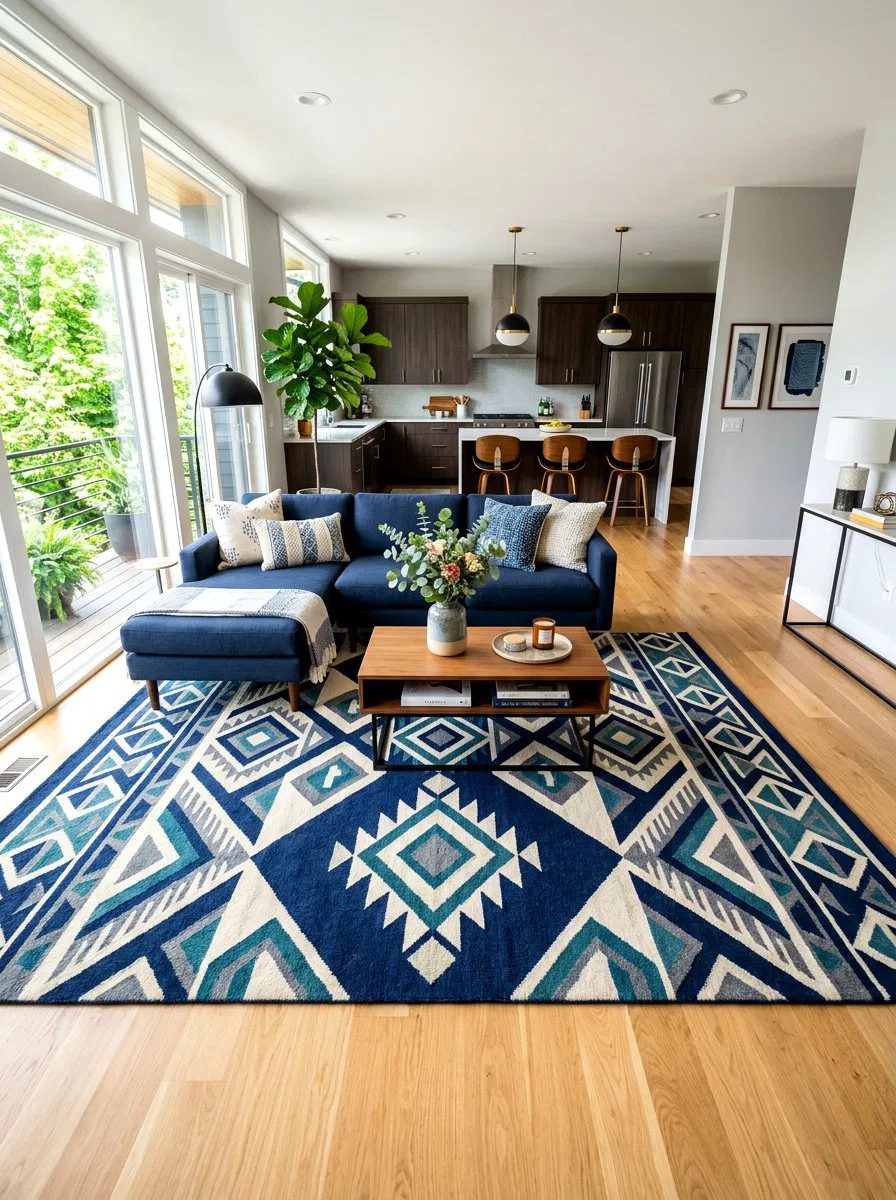
Use a sectional as architecture. An L-shaped sectional builds its own corner, which means the room's bad corner stops mattering. Let the sectional define the seating zone and arrange everything else off it.
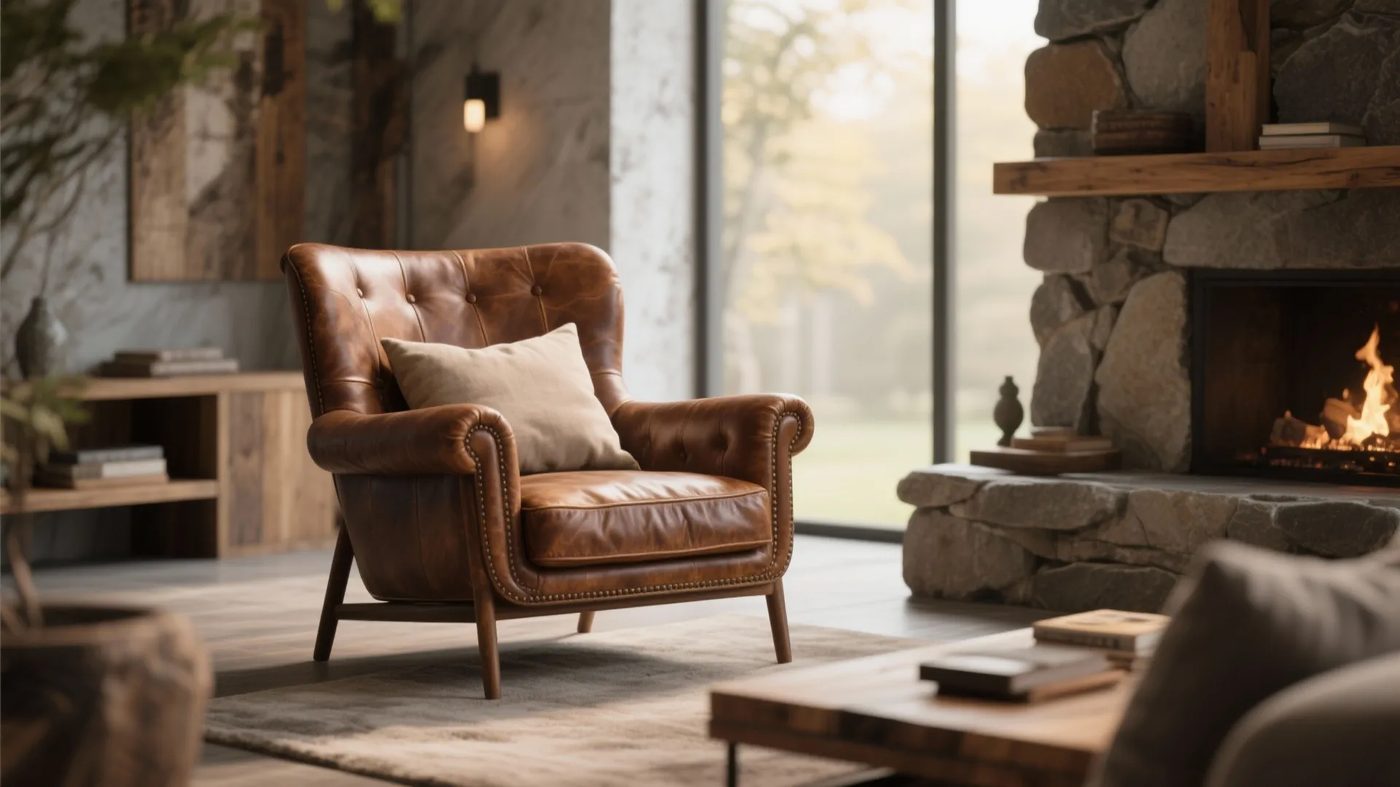
Go small and swivel. In rooms where no arrangement faces everything, swivel chairs are magic. Conversation faces the sofa; movie night faces the TV; nobody drags furniture.
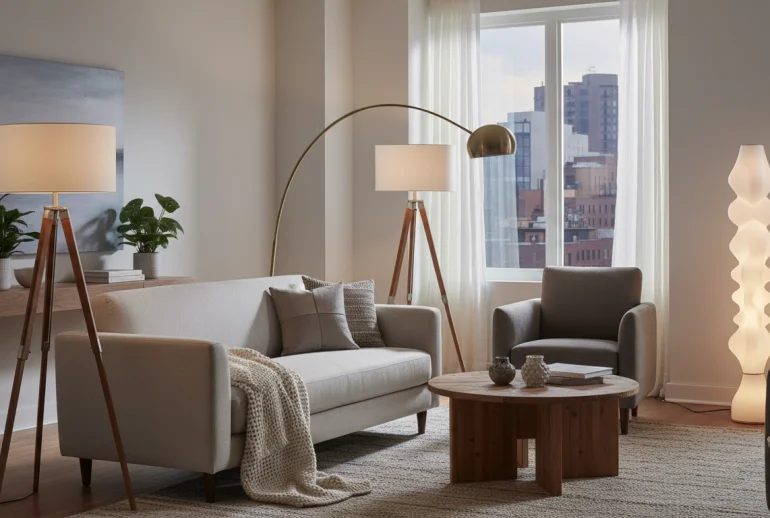
Light the dead zones. A floor lamp and a plant turn a dead corner into a reading nook. Awkwardness is often just darkness.
The Mistakes Everyone Makes
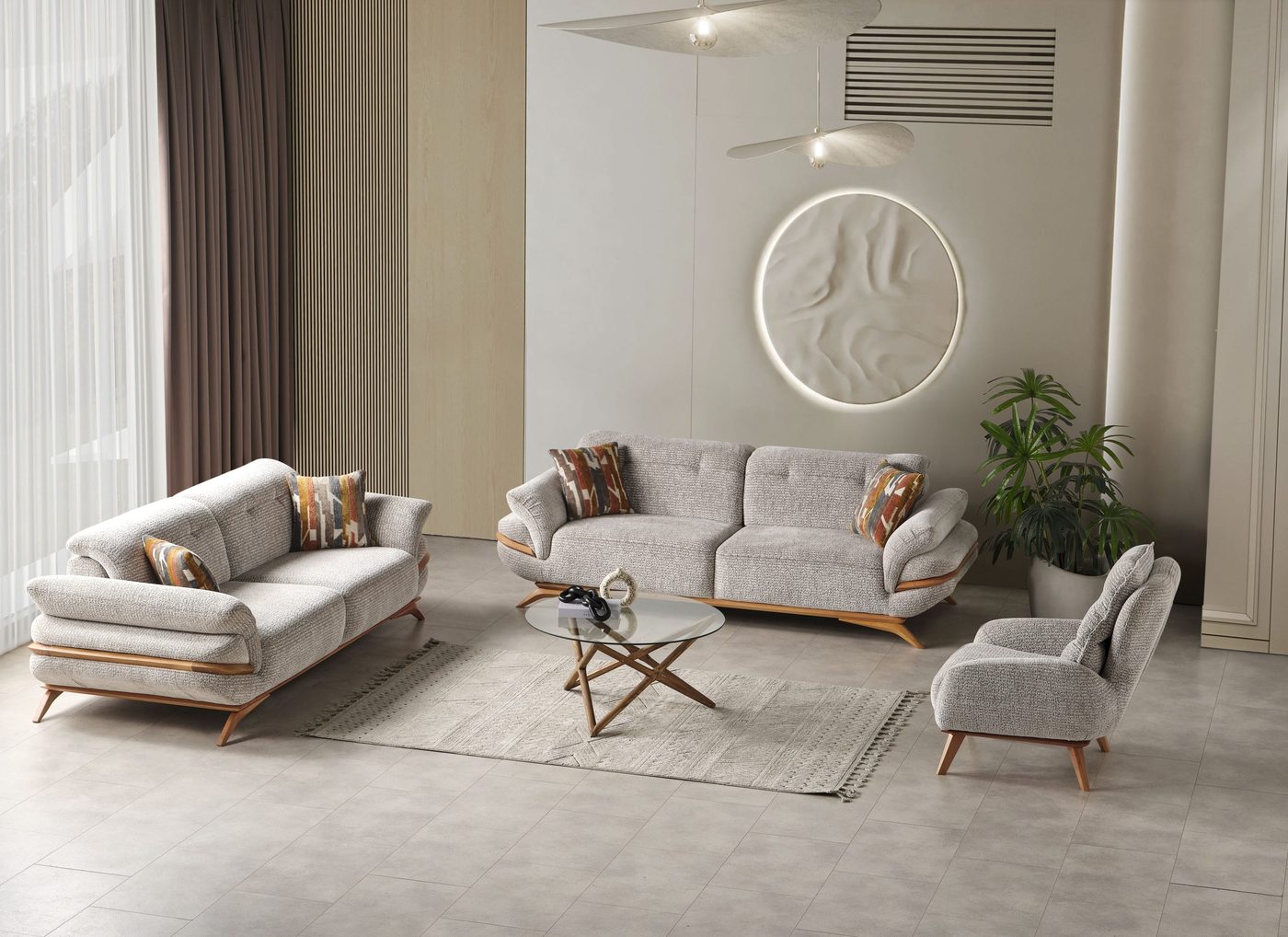
Pushing everything against the walls makes the middle feel like a waiting room. Buying a rug before placing furniture guarantees the rug will be wrong. And matching every piece in an odd room amplifies the oddness — mixed pieces make asymmetry look like a choice.
The Tape-and-Boxes Test
Before you commit, test the layout with painter's tape and cardboard boxes. Tape the footprint of each major piece on the floor, then live with it for two days — walk the paths, open the doors, sit in the imaginary chairs. It feels silly and saves hundreds of dollars in returns. Pay special attention to door swings: a beautiful arrangement that traps you behind an inward-opening door will be rearranged in frustration within a week. If the tape version works for 48 hours of real life, the furniture version will work for years.
Frequently Asked Questions
Should furniture always face the TV? No. In awkward rooms, designate one primary viewing seat and let the rest of the seating serve conversation. Forcing every seat toward the TV creates the traffic jams.
What do I do with a corner cut at an angle? Put something round or angled in it: a round side table, an angled chair, a tall plant. Square furniture in an angled corner always looks like a mistake.
How do I handle a fireplace that is off-center? Build an asymmetric arrangement: anchor the larger seating piece on the fireplace side, balance with a bookshelf or plant on the other. Symmetry around an off-center feature looks wrong; asymmetry looks designed.
Can I fix it without buying anything? Often, yes. Try floating what you own, angling one chair, and moving a lamp into the dead zone before spending a dollar. Half of awkwardness is just habit.
The Parkers floated their sofa, angled a swivel chair into the 45-degree corner, and put a console behind the sofa. The room did not get bigger. It just stopped fighting them.
Our Top Picks
AngleEase Corner Sectional
A compact L-shaped sectional designed for corners, typically $800 to $1,100. It turns the deadest corner in the room into the best seat in the house.
- Made for corners other sofas waste
- Chaise end adds lounge space without bulk
- L-shape commits you to one layout
SwivelSpot Accent Chair
A 360-degree swivel accent chair, usually $250 to $350. In awkward rooms, a chair that turns solves more problems than a chair that matches.
- Faces any direction without dragging
- Compact footprint for tight corners
- Swivel mechanisms add weight
FloatBack Console Table
A 12-inch-deep console table, typically $80 to $120. Placed behind a floating sofa, it creates a finished 'wall' where the architecture failed to provide one.
- Defines zones without blocking light
- Doubles as a drop spot for keys and lamps
- Needs anti-tip hardware with kids around
ArchMirror Leaner Mirror
A 65-inch arched floor mirror, usually $120 to $180. Leaned in an awkward nook, it bounces light into dead corners and makes odd angles look deliberate.
- Makes dead corners feel designed
- No mounting, no holes
- Tall piece needs a truly stable lean spot
NestTrio Side Tables
A set of three nesting side tables, typically $70 to $100. They scatter where full-size tables cannot go and tuck into one footprint when not needed.
- Fill odd gaps larger tables cannot
- Nest into a single small footprint
- Lightweight — not for heavy lamps