When Lena's company went remote-first, her "office" was the second bedroom — sharing a wall with the living room where her two kids did remote school, and a floor above a neighbor who practiced drums. Her clients could hear everything: the math lesson, the drum fill, the dog. She could not rebuild the room. She needed fixes that worked in a rental, on a budget, in a weekend.
Here is the honest truth about soundproofing: you cannot make a room silent without construction. But you can make a dramatic difference by sealing air leaks and adding soft mass — the two things that matter most.
The eight fixes, in order of impact
1. Seal the door gap. The gap under an interior door is the single biggest sound leak in most rooms. An adhesive door sweep or draft stopper takes five minutes and makes the largest single difference.
2. Weatherstrip the door frame. Sound slips through the cracks around the door perimeter. Self-adhesive foam weatherstripping compresses when the door closes and seals the rest.
3. Hang heavy curtains. Windows are the second-biggest leak. Heavy, full-coverage curtains add mass and absorb reflection. They will not block traffic noise entirely, but they take the edge off.
4. Add a thick rug with a dense pad. Hard floors bounce sound around the room and transmit footfall. A rug plus a proper felt pad absorbs both.
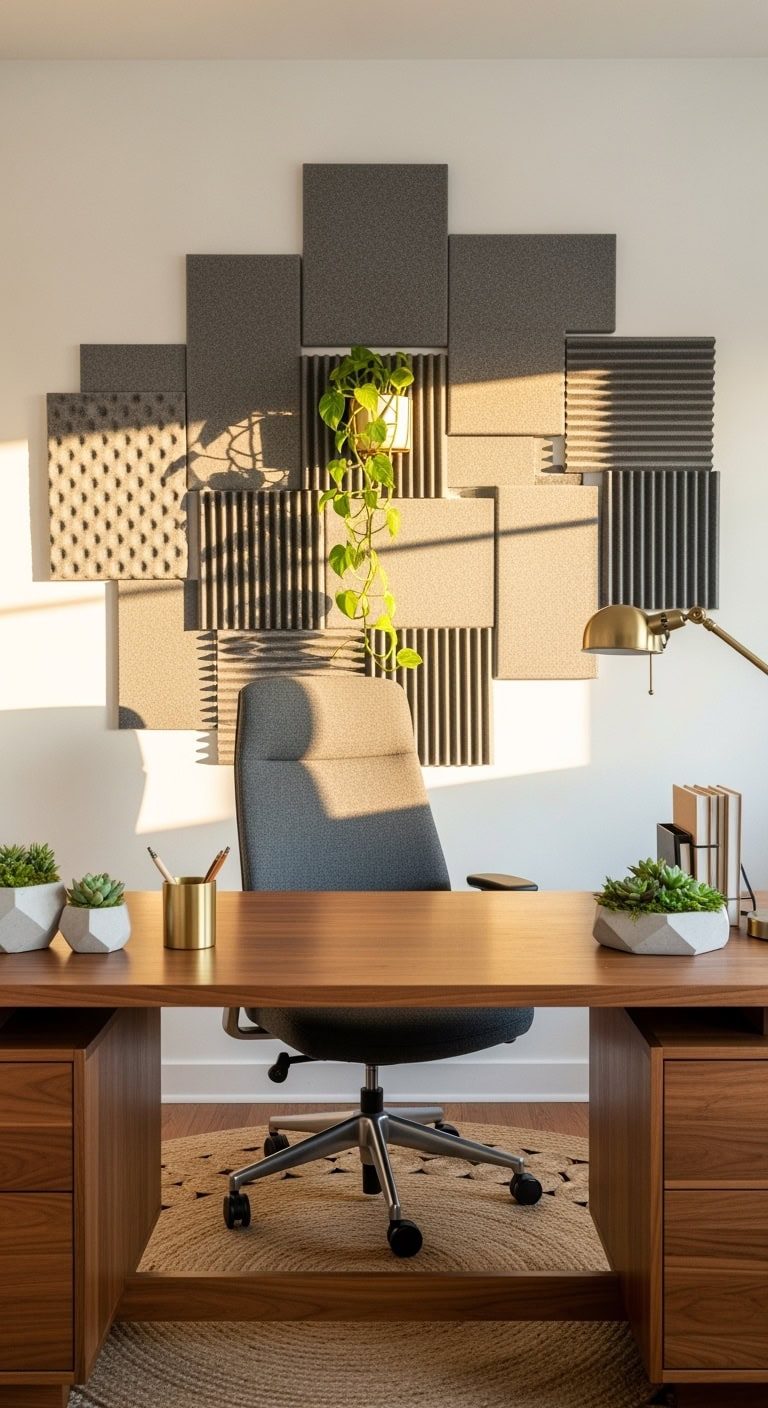
5. Put acoustic panels at reflection points. Foam or fabric panels behind your desk and on the wall you face tame echo, which is what makes calls sound "roomy" and unprofessional. You do not need full coverage — strategic placement beats quantity.
6. Seal window rattles. Old windows rattle in their frames. Foam tape around the sashes stops the buzz that microphones love to pick up.
7. Add mass with furniture. A loaded bookshelf against a shared wall is a surprisingly effective sound barrier. Mass blocks sound; use what you own.
8. Upgrade your microphone setup. When the room cannot be perfected, a directional microphone with noise suppression does the rest. Software like Krisp or built-in noise removal in Zoom and Teams handles the remainder.
What does not work
Egg-crate foam and thin "soundproof" curtains marketed online do almost nothing for blocking sound — they treat echo, not transmission. Real sound blocking requires mass and airtight seals, which is why the door and window fixes come first. Also, do not bother soundproofing interior walls before sealing the door; air leaks defeat everything else.
What about the ceiling and shared walls?
If noise comes from above (footsteps) or through a shared wall (voices, TV), soft furnishings on your side still help more than people expect. A tall, fully loaded bookshelf against a shared wall adds the mass that blocks airborne sound — fill it with books, not decorative empty space. For ceiling noise, a thick rug helps only marginally since the sound enters from above; here, acoustic panels on the ceiling or even a fabric wall hanging on the upper wall take the edge off. And do not overlook the hallway: sound travels under your door and around it, so treating the door well matters even when the noise source is elsewhere in the building.
Renter-friendly rules
Everything on this list is reversible: adhesive seals, tension-rod curtains, freestanding panels, rugs. Avoid anything that requires screws in shared walls if your lease forbids it — command strips and leaning panels work fine.
Frequently Asked Questions
Can I really soundproof a room without construction? You can significantly reduce noise — typically enough for professional calls — but not achieve silence. Sealing leaks plus soft furnishings gets most people 70 percent of the way there.
Do acoustic foam panels block sound? No — they absorb echo inside the room, which improves how you sound on calls. Blocking sound from entering requires mass and sealed gaps.
What is the cheapest effective fix? A door sweep and weatherstripping, usually under 25 dollars total. The door gap is the dominant leak in almost every home office.
Will a white noise machine help? It masks intermittent sounds for you, but your microphone still picks up the underlying noise. Fix the room first; masking is a supplement, not a solution.
Lena did the door, the curtains, a rug, and six panels behind her desk — one Saturday, under 200 dollars. Her clients stopped asking "what was that sound" within a week.
Our Top Picks
TroyStudio Acoustic Panels 12-Pack
Twelve wedge-profile foam panels that tame echo and reverb behind your desk for clearer calls.
- Noticeably reduces echo
- Peel-and-stick install
- Foam, not fiberglass — modest absorption
Suptikes Door Draft Stopper
An adhesive under-door seal that blocks the biggest sound leak in most rooms: the gap under the door.
- Seals the worst sound leak
- Tool-free install
- Needs replacing yearly with heavy use
NICETOWN Blackout Curtains 52x84
Heavy triple-weave curtains that add mass to windows — the second-biggest sound leak after doors.
- Adds real mass to windows
- Doubles as blackout for video calls
- Heavy — needs a sturdy rod
RugPadUSA 8x10 Rug Pad
A dense felt rug pad that absorbs footfall and voice reflection off hard floors.
- Thick felt absorbs impact noise
- Extends rug life
- Adds height — check door clearance
Frost King Rubber Foam Weatherstrip
Self-adhesive foam tape that seals rattling window frames and door perimeters in minutes.
- Dead cheap and effective
- Stops rattles as well as leaks
- Adhesive can pull paint on removal