Every Saturday, Marcus spent three hours cleaning his house. Every Wednesday, it looked like he had never bothered. He is a working parent of two kids under ten, and the pattern was maddening: a heroic weekend effort, four days of slow decay, then the dread of doing it all again. The house was never actually dirty in a deep sense. It was just never tidy.
The problem was the model, not the effort. Marathon cleaning treats tidiness as an event. But homes get messy a little bit every day, which means the fix has to be a little bit every day, too. Fifteen focused minutes daily beats three resentful hours weekly, because it prevents the buildup that makes cleaning feel overwhelming in the first place.
This is the routine. It splits into a five-minute morning chunk and a ten-minute evening chunk, and it works in real homes with jobs, kids, and pets.
The Core Idea: Tidy, Not Deep Clean
This routine maintains order; it does not replace deeper cleaning. Think of it as the difference between brushing your teeth daily and seeing the dentist twice a year. Daily tidying handles surfaces, dishes, and clutter. Deep tasks like scrubbing grout or cleaning windows stay on a separate, slower rotation. Trying to deep clean in fifteen minutes is how routines die.
Morning: 5 Minutes
Make the bed (2 minutes). A made bed makes the whole bedroom look intentional, even if the closet is chaos. Pull the covers up, fluff the pillows, done.
Start or empty the dishwasher (1 minute). An empty dishwasher means dirty dishes have somewhere to go all day instead of colonizing the counter.
Bathroom wipe (1 minute). Keep a cloth under the sink. One quick pass over the sink and faucet while the coffee brews prevents the slow film buildup that later requires scrubbing.
Launch one load of laundry (1 minute). Starting a load in the morning means it can move to the dryer or a rack by evening. Laundry fails as a background task only when nobody starts it.
Evening: 10 Minutes
Dishes and counters (3 minutes). Load the dishwasher or wash the day's dishes, then wipe the counters and stovetop. The kitchen is the room whose state sets the tone for the whole house.
Clutter sweep (3 minutes). Grab a basket and walk the main living areas, collecting everything that does not belong. Do not organize it now; just corral it. Sort the basket when you have a spare moment, or make it someone else's job.
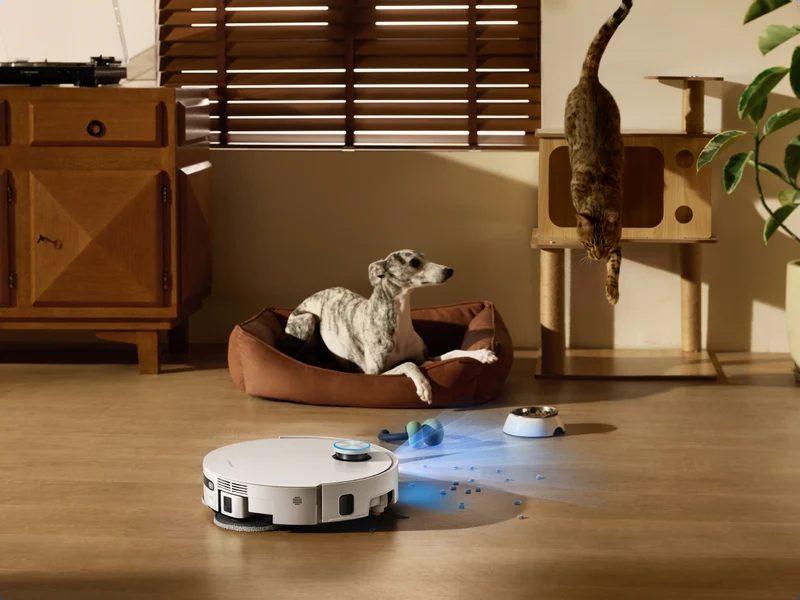
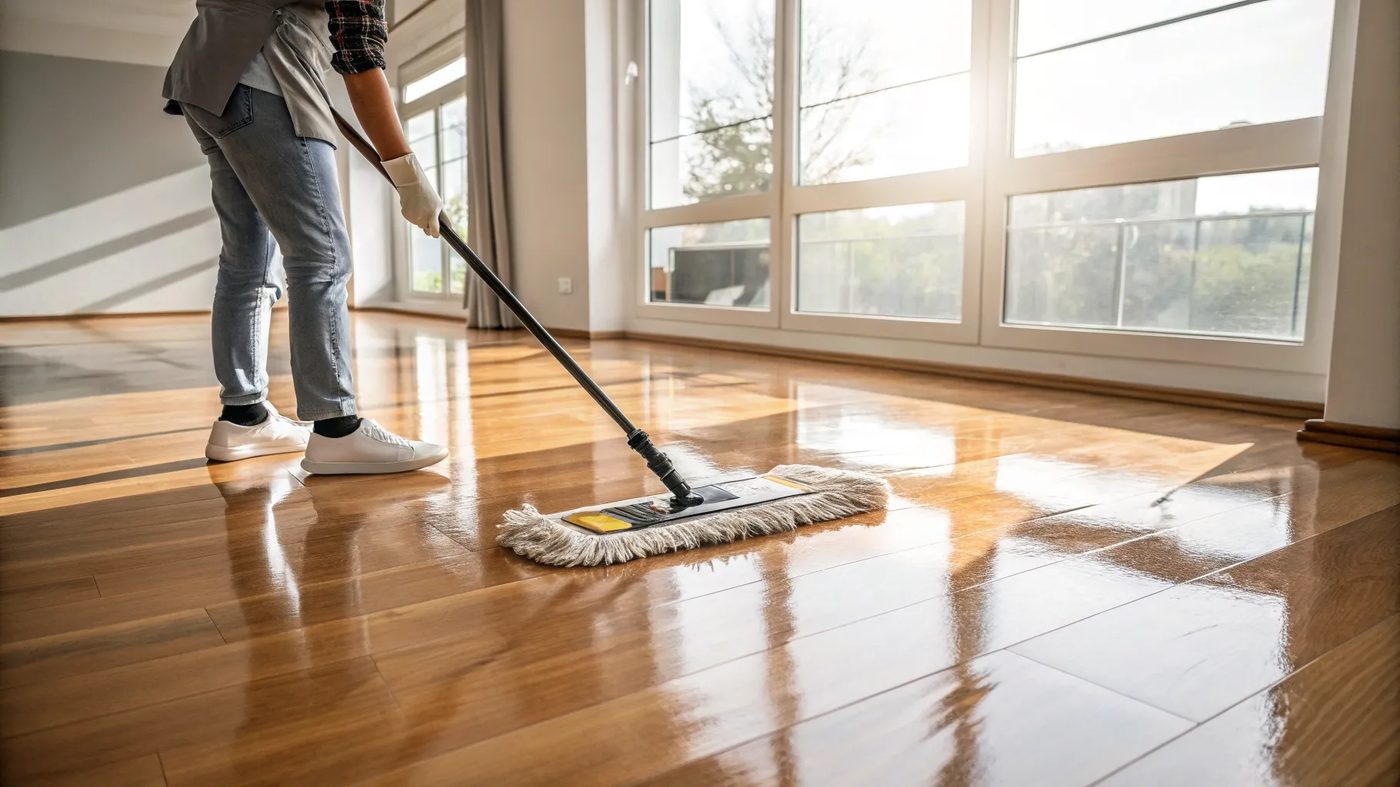
Floors spot-check (2 minutes). A quick pass with a dust mop or handheld vacuum in the kitchen and entryway, where grit accumulates fastest. Whole-house vacuuming stays on the weekly list.
Tomorrow prep (2 minutes). Set out what the morning needs: coffee ready, bags by the door, kids' clothes chosen. Future you, half-awake at 6:30 a.m., will be grateful.
Set Yourself Up to Succeed
Keep tools where you use them: cloths under each sink, the handheld vacuum on its charger in a central spot, the caddy stocked and ready. A routine that requires a supply expedition will not survive the week.
Involve the household. Fifteen minutes is one person's job in a solo home, but in a family it splits beautifully: kids can own the clutter sweep, partners can split kitchen and laundry. Assign zones, not vague requests; "tidy the living room" works, "help clean" does not.
Common Mistakes to Avoid
Aiming for perfection kills routines faster than anything. The goal is "company could drop by without panic," not magazine-ready. The marathon mindset is the second killer: if you miss a day, just resume; do not try to make it up with an hour. Cleaning before decluttering wastes the fifteen minutes entirely; if a surface is buried under stuff with no home, the first project is giving those things homes. And skipping the "home for everything" step guarantees the clutter sweep just relocates the mess.
Frequently Asked Questions
Does fifteen minutes really make a difference? Yes, because it interrupts accumulation. Most "messy house" dread is not one big mess but a hundred small ones compounding. Daily resets keep the baseline high.
What if I have kids? Will this still work? It works better with kids, because kid-generated chaos compounds fastest. Give kids age-appropriate chunks: toy pickup races, sock matching, wiping baseboards. Make it a game and it takes five minutes.
I work from home. Should the routine change? Add a two-minute desk reset at the end of the workday. Closing the laptop on a clear desk creates a real boundary between work and evening.
What about weekends? Keep a light version: the same fifteen minutes, plus one rotating deeper task like bathrooms or vacuuming the whole house. The weekend stops being a cleaning marathon and becomes a weekend again.
Marcus has run the routine for two months. Saturdays are his again, the Wednesday despair is gone, and the house sits at a steady state of tidy that no longer requires heroics. Fifteen minutes a day did what three hours a week never could: it made tidiness the default instead of the project.
Our Top Picks
QuickTidy Cleaning Caddy with Handle
A sturdy handled caddy that carries your core supplies from room to room, so the routine never stalls on a supply hunt.
- Keeps every tool in one grab-and-go place
- Sturdy compartments stop bottles tipping over
- Easy to overfill until it is too heavy to carry comfortably
SpeedWipe Microfiber Cloths 12-Pack
A dozen color-coded microfiber cloths for wiping every surface without paper towels or excess spray.
- Color coding prevents bathroom cloths migrating to the kitchen
- Machine washable hundreds of times
- Need laundering regularly or they start to smell
GrabGo Cordless Handheld Vacuum
A lightweight cordless handheld for the sixty-second jobs: crumbs under the table, stairs, couch crevices, car seats.
- Grabs in seconds with no cord or setup
- Light enough to keep within arm's reach
- Short runtime; it is a spot tool, not a whole-house vacuum
FreshScent All-Purpose Concentrate
One concentrated bottle that dilutes into an all-purpose spray for counters, sinks, and most hard surfaces.
- One bottle replaces a shelf of single-use cleaners
- Concentrate format cuts plastic waste and cost
- Scent may be strong for sensitive noses; ventilate while using