Marcus and Elena had lived in their three-bedroom house for eleven years, and it showed. The garage had a path, not a floor. The guest room was a storage unit with a bed in it. Every drawer in the kitchen had a "miscellaneous" layer. They'd talked about decluttering for two years, but the project always felt too big to start — until Elena's sister announced she was visiting in three weeks with a toddler. Suddenly, "someday" had a deadline.
A whole-home declutter doesn't require a month off or a dumpster in the driveway. It requires a plan, a weekend, and the discipline to finish one room before starting the next. Here's the exact schedule I'd hand a friend, refined over nine moves and a dozen rental cleanouts.
Friday Evening: Prep (1 Hour)
Don't touch a single closet tonight. Prep is about removing friction from tomorrow:
- Set up four stations in the living room or garage: Keep, Donate, Relocate (belongs in another room), Trash. Use the bags and bins above — having containers ready keeps piles from spreading.
- Charge your phone and pick a playlist. You'll take "before" photos of each room (satisfying later) and you'll want momentum.
- Set the rules with everyone in the house. The big one: if an item hasn't been used in a year and isn't seasonal, sentimental, or a tool, it goes. No "maybe" pile bigger than one bin — "maybe" is just delayed deciding.
- Schedule the donation drop-off now. Book it for Sunday afternoon. A deadline on the calendar is what gets bags out of the hallway.
Saturday: The Big Rooms
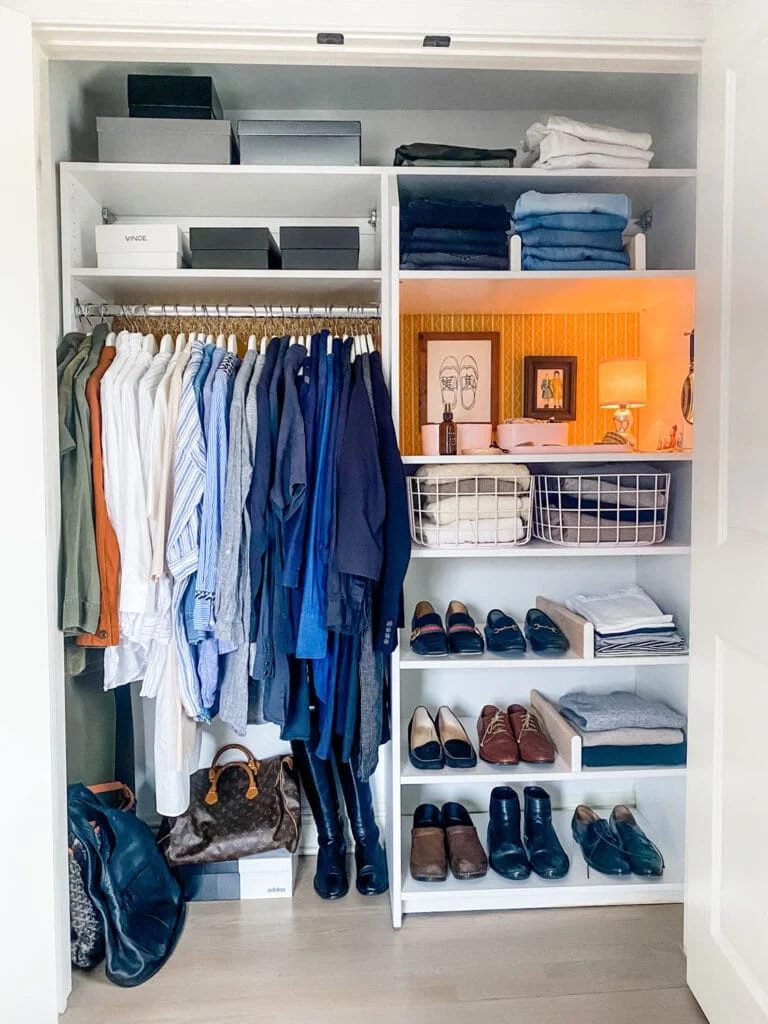
Morning — bedrooms and closets (3 hours). Start where decisions are easiest: clothes. Pull everything out of one closet at a time (never the whole bedroom at once — decision fatigue is real). Try the hanger trick going forward: turn all hangers backward, and after six months, anything still backward goes. For dressers, empty one drawer at a time into the four stations.
Midday — bathrooms (1 hour). This room is fast because most of it is trash: expired medications (check dates), dried-out cosmetics, hotel shampoos from 2019. Keep one backup of essentials, not five. Wipe shelves as you go — you're already there.
Afternoon — kitchen (2 to 3 hours). The kitchen has the most "someday" items: duplicate utensils, single-purpose gadgets, plastic containers without lids (toss the orphans, keep ten matched sets max). Pull everything out of one cabinet at a time. Be ruthless with the junk drawer — it gets one small organizer tray, and whatever doesn't fit in the tray doesn't live there.
Take a real break between rooms. Eat lunch away from the mess. The goal is steady progress, not a heroic collapse at 9 p.m.
Sunday: Finish Lines
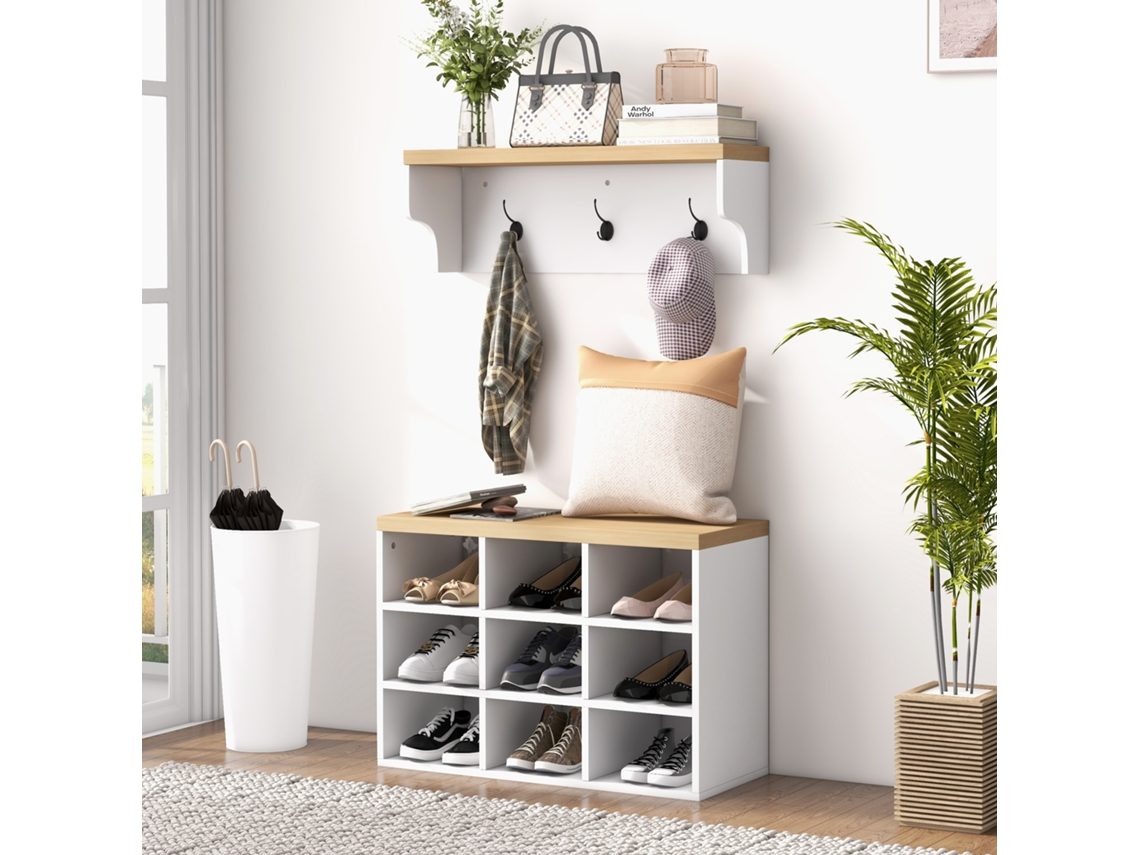
Morning — living areas and entryway (2 hours). These rooms collect other rooms' clutter, so do them last when the Relocate bins are full. Books, magazines, old remotes, the cable graveyard — decide and distribute. The entryway gets the "landing strip" treatment: one spot for keys, one for shoes, one for bags. Everything else lives elsewhere.
Midday — garage, basement, or storage (2 hours). Set a timer. These spaces expand to fill available time, so give them a hard boundary. Focus on the floor: if you can't walk through it, that's the problem to solve today. Big wins only — full sorting of every box is a different weekend.
Afternoon — donation drop and reset (1 hour). Load the car and do the drop-off you scheduled Friday. Then walk through the house with a trash bag for a final sweep, put the Keep bins away, and take your "after" photos.
How to Decide: The Four Questions
When you're stuck holding something, ask in order:
- Have I used it in the last year? (Seasonal and emergency items get a pass.)
- Would I buy it again today? If not, why am I storing it?
- Is it the best version I own? Duplicates: keep the best one, release the rest.
- Am I keeping the item or the guilt? Gifts, expensive mistakes, aspirational hobbies — the guilt fades faster once the object is gone.
Sentimental items get their own small box — one box, not one attic. When it's full, something goes before something new goes in.
Frequently Asked Questions
What if my partner or kids won't declutter? Declutter only your own things first. Visible progress is more persuasive than any argument, and nobody's allowed to purge someone else's belongings without permission. Give kids a small box for their own decisions.
Should I sell things instead of donating? Only if the item is worth more than about $50 and you can list it this week. Otherwise the "sell pile" becomes permanent furniture. Donate it and reclaim the space today.
How do I stop the clutter from coming back? One in, one out for clothes and kitchenware. A donation bag lives permanently in the laundry room — when it's full, it goes. And a 15-minute nightly reset keeps surfaces clear.
What about paperwork? Shred anything with account numbers you can access online. Keep tax documents seven years, house records for ownership plus a few years, and medical records indefinitely. Everything else gets scanned or shredded.
The Bottom Line
You don't need a perfect system — you need a finished weekend. Follow the schedule, respect the four stations, and get the donation bags out of the house on Sunday. The house won't be magazine-ready, but it will be lighter, calmer, and actually usable. That's the whole point.
Our Top Picks
IKEA DIMPA Storage Bag (3-Pack)
Giant, cheap, reusable bags that swallow a closet's worth of donations in one trip. Sturdier than trash bags, easier to carry.
- Holds far more than a grocery bag
- Reusable for moves and storage
- No structure — flops when half full
Brother P-Touch PT-D210 Label Maker
The secret weapon of every organized home. Label bins, shelves, and cords so the system survives after the weekend ends.
- Labels stick to plastic, fabric, and wood
- Simple enough for anyone to use
- Replacement tape isn't cheap
Sterilite 6-Quart Clear Storage Bins (12-Pack)
Small clear bins for the 'relocate' and 'maybe' piles. Seeing contents keeps decisions honest during the sort.
- Clear walls prevent mystery-box syndrome
- Cheap enough to buy in bulk
- Lids sold separately on some listings
Hefty Strong Large Trash Bags (38-Count)
Thick bags that won't split mid-haul. For the true trash — broken, stained, expired — bag it and don't look back.
- Rarely tear, even with heavy loads
- Drawstring actually holds
- Overkill (and pricier) for light trash
Amazon Basics 8-Sheet Paper Shredder
For the file cabinet of old statements and mystery paperwork. Shredding as you go keeps the paper pile from migrating.
- Handles credit cards and staples
- Compact enough for a closet
- Needs cool-down breaks on big jobs