When Lena moved into her first one-bedroom in Chicago, the apartment came with exactly one ceiling light per room — a bare bulb behind a frosted dome that made everything look like a dentist's office. For the first month she lived under that glare, wondering why the place never felt like home despite the nice sofa and the rug she had saved up for.
The change came on a rainy Saturday at a flea market, where she found a fifteen-dollar ceramic lamp with a cream shade. She set it on the side table that night, clicked it on, and the living room transformed. Same furniture, same walls — but suddenly the corner glowed, the shadows softened, and the room felt finished.
Lena had stumbled onto what designers consider the single fastest room upgrade there is: the table lamp. Overhead lighting shows you the room. Table lamps make you want to stay in it.
What Table Lamps Actually Do
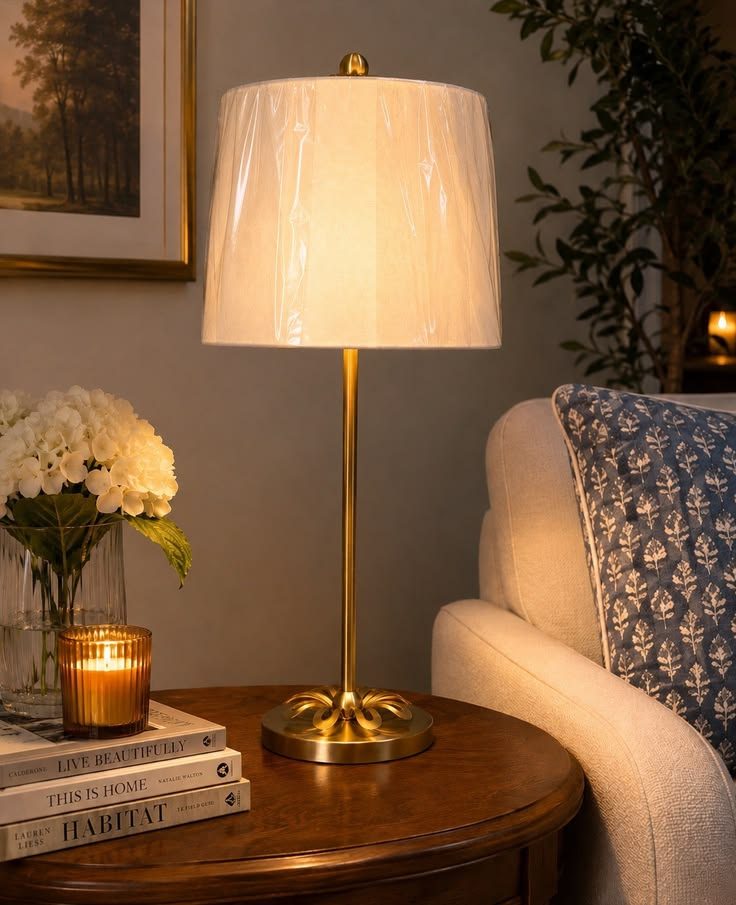
A table lamp does three jobs at once. First, it adds a second layer of light at a human height, which is why rooms lit only from the ceiling feel flat and interrogation-like. Second, it creates a focal point — a pool of warm light tells your eye where to land, which makes even a plain corner look intentional. Third, it sets the mood after dark, when one bright ceiling fixture is almost always too much.
This is why the "one lamp per room" rule undersells it. Most living rooms want two or three light sources at different heights: a table lamp beside the sofa, maybe another on a console, plus a floor lamp in the reading corner. Bedrooms want one per nightstand if there is space. The goal is options — bright enough to read by, dim enough to wind down.
The Size Rules That Matter
Lamp shopping goes wrong most often on size, and the fixes are simple math. For a side table next to the sofa, the shade's diameter should be roughly one-third the width of the table surface — a 24-inch table wants an 8-inch shade. Too big and the lamp crowds the table; too small and it looks like a dollhouse prop.
Height matters more than people expect. When you are seated, the bottom of the shade should sit at about your eye level, so you see glow rather than bare bulb. For a standard 24-inch side table, that usually means a lamp between 26 and 30 inches tall overall. On a taller console table, drop to the 22 to 26-inch range. If you can see the bulb from your seat, the lamp is too tall for the spot.
Weight counts too, especially with kids or pets. A lamp with a solid, weighted base survives bumps that send a top-heavy bargain lamp tumbling. Ceramic, weighted metal, and stone bases earn their keep here.
Picking a Style Without Regret
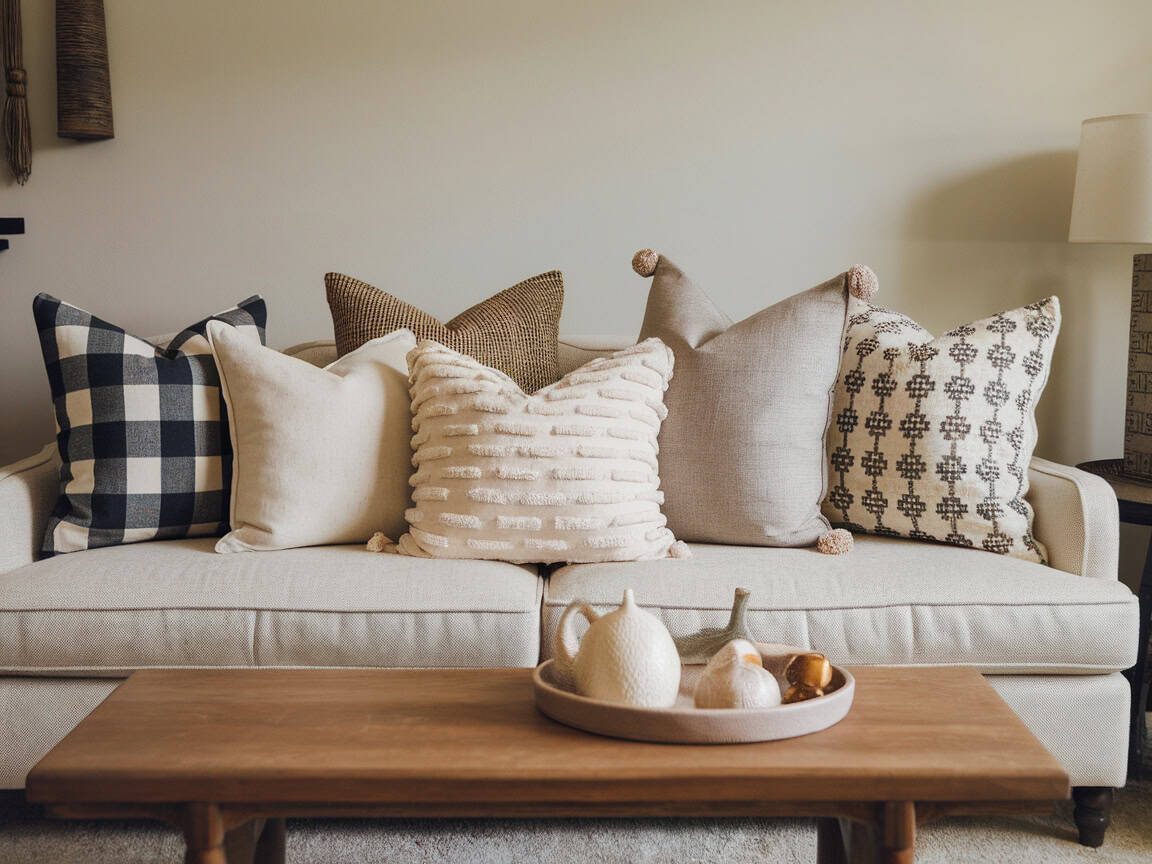
The safest lamp is the one that repeats something already in the room. A brass base echoes brass curtain rods or cabinet pulls. A linen shade picks up the texture of linen throw pillows. You do not need a matching set — in fact, two identical lamps flanking a sofa plus one different lamp across the room looks more collected than a trio of clones.
Finish is where trends live and die. Brushed brass and matte black have stayed popular for years because they behave like neutrals. What dates fast is novelty: the neon cactus lamp is fun for a dorm room and a regret in a living room you will photograph for years.
If you are torn, default to simple. A clean drum shade on a straightforward base disappears into any style and lets the light do the talking.
Bulbs: The Part Everyone Gets Wrong
The lamp is only half the purchase; the bulb decides how the room feels. For living rooms and bedrooms, choose 2700K — labeled "warm white" or "soft white." It mimics late-afternoon sun and makes skin tones look healthy. Anything 4000K and above reads as office lighting and will fight your cozy intentions.
Brightness-wise, 400 to 800 lumens suits most table lamps — roughly the old 40 to 60-watt equivalent. Go dimmable if the lamp supports it; a three-way touch lamp or a plug-in dimmer gives you reading brightness and movie-night glow from the same lamp.
Frequently Asked Questions
How many table lamps does a living room need? Two is the sweet spot for most living rooms: one beside the sofa and one on a console or bookshelf. Large or L-shaped rooms may want a third. The test is simple — after dark, you should be able to turn off the ceiling light and still see comfortably.
What height should a bedside table lamp be? Roughly the same height as your headboard's top, or 24 to 28 inches for a standard nightstand. The bottom of the shade should be near your eye level when you are sitting up in bed, so reading light falls on the page, not in your eyes.
Can I mix lamp styles in one room? Yes — matching pairs look intentional on either side of a sofa or bed, but the third lamp in the room can and should differ. Keep one thing consistent, like the shade color or the metal finish, and the mix will look curated rather than random.
Are LED bulbs okay in table lamps? Absolutely, and they are the best choice now. Modern warm-white LEDs render color well, run cool enough to protect shades, and last for years.
A good table lamp is one of the rare purchases that improves your home the same evening you bring it home. Size it to the table, keep the bulb warm, and let the corners of your rooms glow a little. Your ceiling light will start to feel like the backup plan it always should have been.
Our Top Picks
Hearth & Haven Ceramic Gourd Table Lamp
A classic ceramic gourd base with a linen shade that flatters every room style, at a price that makes buying two painless.
- Warm, flattering light through the linen shade
- Neutral design works with any decor
- No USB port or extra features
Bramble & Co. Tripod Table Lamp
Three slim wooden legs and a drum shade give this lamp a mid-century look that punches above its price.
- Distinctive silhouette for the price
- Sturdy, wobble-free tripod base
- Shade is on the small side for large rooms
Aria Touch-Control Bedside Lamp
Tap anywhere on the base to cycle through three brightness levels — perfect for nightstands and groggy mornings.
- Touch control is genuinely convenient
- Three dimming levels built in
- Touch sensor can trigger accidentally
Meridian Pharmacy Table Lamp
The adjustable brass pharmacy shade aims light exactly where you read, with a weighted base that stays put.
- Adjustable shade directs light precisely
- Heavy base feels premium
- Brass finish shows fingerprints
Westbrook Glass Globe Lamp
A smoked-glass globe on a slim stem that reads modern without trying too hard, and looks good switched off too.
- Sculptural even when unlit
- Compact footprint for small tables
- Globe collects dust visibly
Nordlys Oak Desk Lamp
A warm oak base with an adjustable arm built for desks and reading corners, with a cord long enough to actually reach the outlet.
- Adjustable arm for task lighting
- Generous 6-foot cord
- Head is small, so light pool is focused
Solene USB Table Lamp with Outlet
A fabric-shade lamp with two USB ports and an AC outlet in the base — the nightstand multitasker for the charging-cable era.
- Charges phone and lamp from one plug
- Clean, inoffensive design
- USB ports charge slowly