When Rachel moved into her 900-square-foot apartment with two kids under six, she did what most of us do: bought a dozen cute baskets from a home store and hoped for the best. Three months later, half of them sat empty on top of the wardrobe while toys still migrated across every floor in the house. The problem wasn't her — it was the bins. She'd bought containers for the home she wished she had, not the one she lived in.
Storage bins only work when they match the stuff, the space, and the person using them. A beautiful seagrass basket is perfect for throw blankets in the living room and terrible for Lego pieces that need a lid. A giant clear tote is great in the garage and absurd under a bathroom sink. This guide walks through how to choose the right container for each job, and the eight bins and baskets that have earned their keep in real homes.
What Matters More Than the Bin
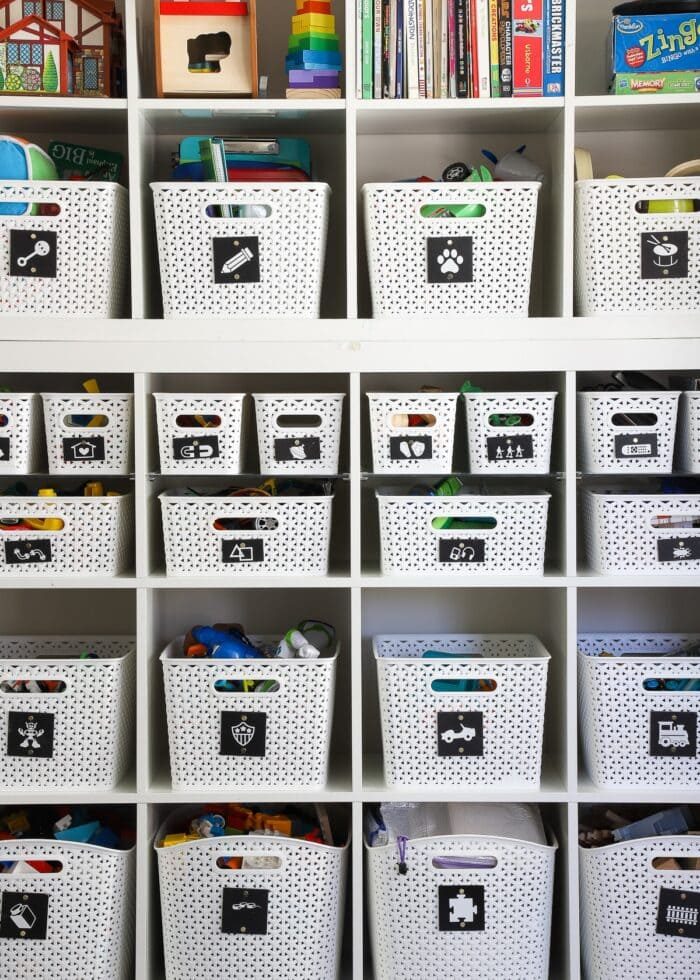
Before buying anything, answer three questions. First: what goes inside? Group items by category, not by room — all the batteries, all the gift wrap, all the winter hats. Containers work best when each one holds one category. Second: who uses it? Kids need open-top baskets they can toss things into; a lid they'll never replace is just decoration. Adults managing a pantry do better with stackable, labeled bins. Third: where does it live? Measure the shelf, the under-bed clearance, the closet depth. Write the numbers on your phone before you shop.
Material matters too. Fabric bins are light and forgiving but collapse when half empty. Rigid plastic is durable and wipeable but looks industrial. Natural fibers like seagrass and bamboo look warm and homey but don't love damp garages. Clear plastic is the unsung hero of storage areas — being able to see contents eliminates half of all labeling.
Measure Before You Buy
This is the step everyone skips and everyone regrets. Grab a tape measure and check:
- Shelf depth and height. A bin that sticks out two inches past the shelf looks sloppy and gets knocked over. Leave at least an inch of clearance on top so you can lift the bin out.
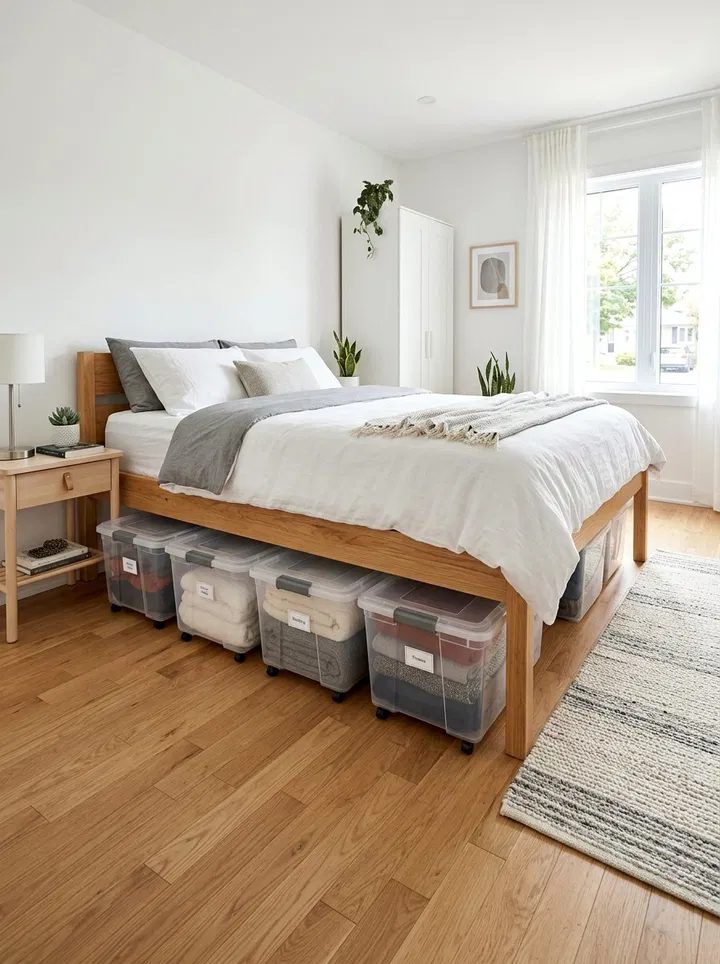
- Under-bed clearance. Measure from floor to the bottom of the bed frame, then subtract an inch. Most rolling underbed boxes need 6 to 7 inches.
- Door swing and walkways. That perfect basket is useless if it blocks a closet door from opening fully.
Buy one bin first and test it in the space before committing to a matching set of ten. Stores make returns easy; your Saturday afternoon is not refundable.
Room-by-Room: Where Each Type Shines
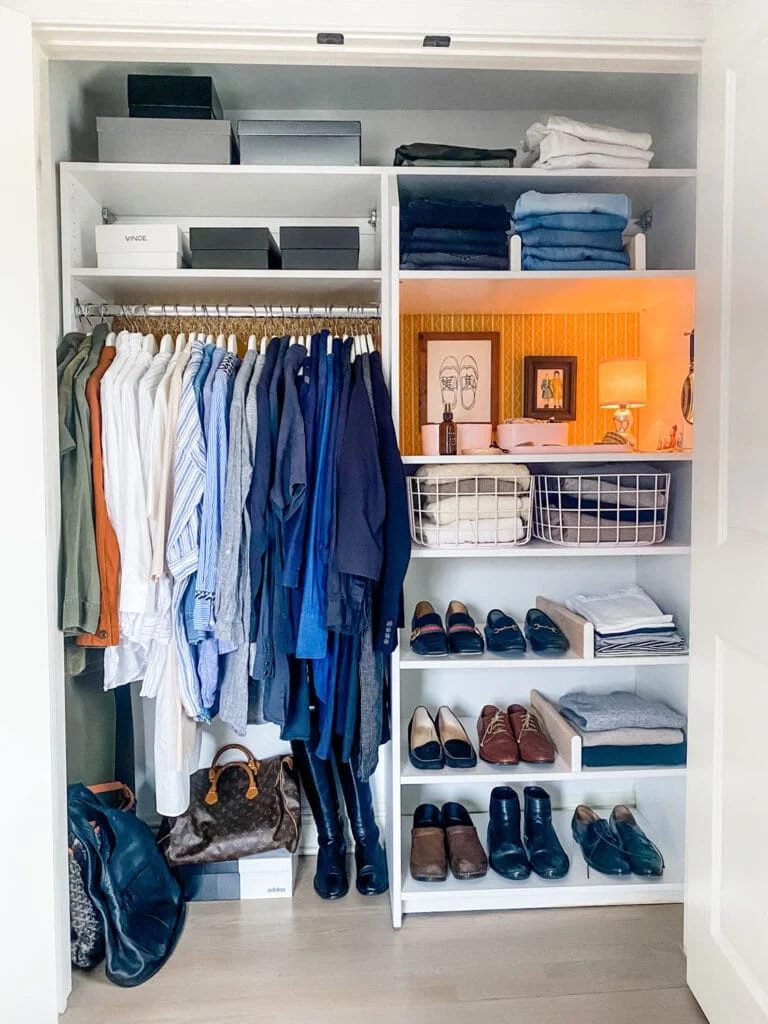
Closets and bedrooms do best with fabric bins and drawer organizers. Clothes are soft, closets are enclosed, and you want containers that won't scratch shelving. The SKUBB-style boxes and drawer trays above are built exactly for this.
Living rooms need containers that look like decor, because they're always visible. Seagrass belly baskets, lidded bamboo boxes, and lidded ottomans win here. If a guest can see it, it should look intentional.
Kitchens and pantries reward stackable, wipeable, see-through. Spills happen; fabric absorbs them. Modular stackable bins with handles let you pull a whole category out, use what you need, and slide it back.
Bathrooms need moisture resistance. Bamboo, sealed plastic, or coated wire — skip untreated fabric and raw wood near sinks and showers.
Garages, basements, and attics are clear-tote territory. Latching lids keep out dust and pests, and transparency means you find the holiday lights without opening six boxes.
Mistakes to Avoid
- Buying containers before decluttering. Bins don't create space; they organize what's left. Purge first, then buy exactly what you need.
- Mixing sizes randomly. Pick one footprint per shelf so bins sit flush and look calm. Uniformity is half the battle.
- Skipping lids where they matter. Anything stored above eye level, in a garage, or holding small pieces needs a lid. Open bins up high become dust collectors.
- Choosing pretty over practical for kids. If the system requires a five-year-old to fold and latch, it will fail by Tuesday.
Frequently Asked Questions
How many bins do I actually need? Fewer than you think. Sort and purge first, then count your categories. Most rooms need three to six containers total — one per category, not one per shelf.
Are expensive organizing bins worth it? Sometimes. Premium stackable bins earn their price in pantries and closets you use daily. For garage and attic storage, basic clear totes perform identically for a third of the price.
What's the best bin for a rental? Anything freestanding that doesn't require mounting. Fabric closet boxes, underbed rollers, and over-door options all leave when you do, with no holes to patch.
How do I keep bins from becoming junk drawers? One category per bin, and a twice-a-year reset. When a bin starts collecting strays, that's a signal the category is too vague — split it or purge it.
The Bottom Line
Good storage isn't about owning more containers — it's about owning the right ones. Measure your spaces, match the bin to the job and the user, and buy for the home you actually live in. Start with one room, get the system working, then repeat. The calm, everything-has-a-place feeling is worth the tape measure.
Our Top Picks
IKEA SKUBB Storage Case (6-Pack)
Lightweight fabric boxes that fit standard closet shelving and drawers. Ideal for clothes, linens, and seasonal rotation.
- Fits IKEA and most standard closet systems
- Washable fabric, easy to wipe clean
- No rigid structure — sags when half empty
Sterilite 66-Quart Clear Storage Box
The garage and basement workhorse. Clear walls mean you can see contents without opening, and the latching lid keeps dust out.
- See-through walls save labeling time
- Latching lids stack securely
- Lids can crack if dropped on concrete
Handwoven Seagrass Belly Basket
A living-room-friendly catch-all for throw blankets, toys, or firewood that actually looks good sitting out.
- Doubles as decor — no hiding required
- Sturdy enough for heavy blankets
- Natural fibers shed a little at first
mDesign Fabric Drawer Organizer Bins (8-Pack)
Shallow fabric trays that turn a junk drawer or dresser drawer into neat compartments for socks, chargers, and odds and ends.
- Multiple sizes fit most drawers
- Soft sides won't scratch furniture
- Too shallow for bulky items
IRIS USA Stackable Storage Bins with Lids
Modular pantry and craft bins that stack neatly and slide like drawers. Great for dry goods, art supplies, and office overflow.
- Truly stackable — no sliding towers
- Front handle makes pulling easy
- Premium price per bin adds up fast
Bamboo Storage Baskets with Handles (Set of 3)
Bathroom and bedroom organizers for toiletries, towels, and bedside clutter. Bamboo resists moisture better than fabric.
- Handles make them easy to carry room to room
- Moisture-resistant for bathrooms
- Hand wash only — not dishwasher safe
Whitmor Rolling Underbed Storage Boxes
Low-profile boxes on wheels that glide under most bed frames, reclaiming the dead space for shoes, linens, or off-season clothes.
- Wheels roll smoothly on hard floors and carpet
- Clear top shows contents
- Needs at least 7 inches of bed clearance
Simple Houseware 3-Bag Laundry Sorter
A rolling frame with three removable bags that turns laundry day into a sort-as-you-go system instead of a mountain.
- Sorts lights, darks, and delicates automatically
- Bags lift out for easy carrying
- Assembly takes about 20 minutes