When Alicia and her husband bought their first house, the living room came with beautiful hardwood floors and absolutely nothing soft. They bought a rug online — a pretty patterned one, 5 by 7 feet, on sale. It arrived, they unrolled it, and something was wrong. It looked like a postage stamp in the middle of the room. The front legs of the sofa did not reach it. The coffee table dwarfed it. They lived with it for a year, always slightly annoyed, before admitting the size was the problem, not the pattern.
The rug was not ugly. It was just too small, which is the single most common rug mistake in American homes. Rug shopping goes wrong in predictable ways — wrong size, wrong material for the room, wrong pile for the traffic — and all of them are avoidable once you know the rules.
Sizing: the rule that matters most
A rug should anchor the furniture, not float between pieces. The guidelines:
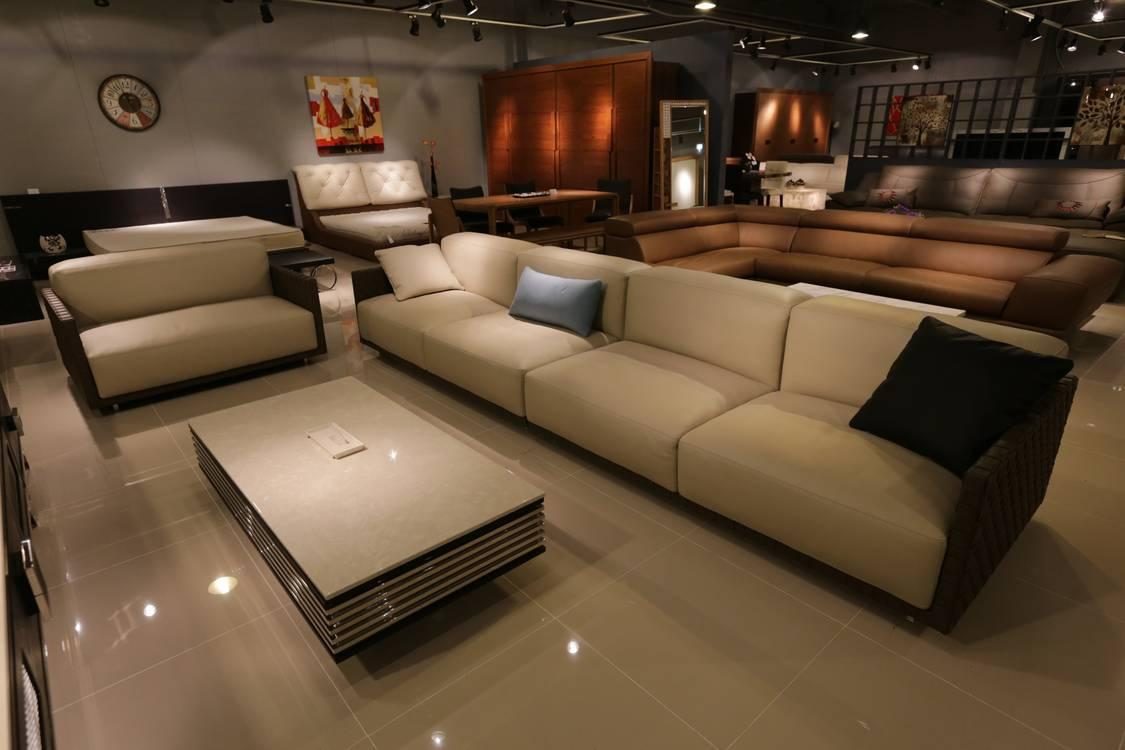
- Living room: all front legs of the sofa and chairs should sit on the rug. For a standard sofa setup, that usually means 8 by 10 feet. A 5 by 7 works only in small apartments with a loveseat.
- Dining room: the rug must extend at least 24 inches beyond the table on all sides, so chairs stay on the rug when pulled out. Measure your table with chairs out, then add the margin.
- Bedroom: the rug should extend 18 to 24 inches beyond each side of the bed. An 8 by 10 under a queen, placed so two-thirds of the bed sits on it, is the classic setup.
- Hallway and entry: leave a few inches of floor visible on each side. Wall-to-wall looks like carpeting and defeats the purpose.
When between sizes, go larger. An oversized rug looks intentional; an undersized one looks like a mistake. Tape the dimensions on your floor with painter's tape before ordering — it takes five minutes and prevents the most expensive rug error.
Materials: wool, cotton, and synthetics
Wool is the premium choice for a reason. It is naturally stain-resistant (lanolin repels liquids), resilient underfoot, and lasts decades. It costs more and sheds for the first months, and it should not get soaking wet. For a living room rug you plan to keep ten years, wool is worth it.
Cotton rugs are affordable, washable, and soft — great for kitchens, kids' rooms, and casual spaces. They wear faster than wool and show traffic patterns sooner, but at their price point, replacing one every few years is reasonable.
Synthetics (polypropylene, polyester, nylon) dominate the budget market. They resist stains well, hold color vibrantly, and cost a fraction of wool. The tradeoff is feel — they can look and feel plasticky — and lifespan; they crush and wear faster under heavy traffic. Nylon is the most durable synthetic; polypropylene is the cheapest.
Natural fibers (jute, sisal, seagrass) bring wonderful texture and suit relaxed, coastal, or bohemian rooms. They are rough under bare feet, stain easily, and cannot get wet. Best in low-traffic, shoe-free zones.
Pile height: match it to the room
- Low pile (under 0.5 inch): dining rooms, entryways, offices — anywhere chairs need to move or doors need to clear. Easy to vacuum.
- Medium pile (0.5 to 1 inch): living rooms and bedrooms. The versatile middle ground — comfortable without being high-maintenance.
- High pile / shag (over 1 inch): bedrooms and cozy corners only. Luxurious underfoot but traps debris and shows traffic lanes. Never under a dining table.
The rug pad: don't skip it
A quality rug pad extends rug life, prevents slipping, adds cushioning, and protects your floors. Felt pads (often with a rubber backing) are best for hard floors; rubber-only pads work on carpet. Budget roughly 10 to 20 percent of the rug's cost for the pad. It is the least glamorous and most worthwhile part of the purchase.
Care basics
Vacuum weekly (suction only on delicate or high-pile rugs — turn off the beater bar), rotate the rug twice a year for even wear, and blot spills immediately rather than rubbing. Wool rugs benefit from professional cleaning every few years. Washable rugs have changed the game for messy households — if you have young kids or pets, they are worth serious consideration.
Common mistakes to avoid
- Buying too small. Said before, saying again: it is the number one regret.
- Choosing high pile for the dining room. Chair legs carve ruts, crumbs vanish into the fibers, and cleaning becomes a project.
- Skipping the pad. A rug sliding on hardwood is a fall hazard and wears out faster from the underside.
- Ignoring the door swing. Measure clearance under doors before buying anything thicker than low pile for entries and bathrooms.
Frequently Asked Questions
What size rug do I need for a living room? For a standard three-seat sofa with two chairs, 8 by 10 feet is the safe choice. In a small apartment with a loveseat, 5 by 7 or 6 by 9 can work. When in doubt, tape it out and go bigger.
Are washable rugs as good as regular rugs? They are thinner and less plush than traditional rugs, but for households with kids or pets, the ability to machine-wash outweighs the tradeoff. They have improved significantly in design quality.
How long should an area rug last? A quality wool rug can last 20 years or more with care. Mid-range synthetics typically look good for 3 to 7 years depending on traffic. Cotton flatweaves fall in the 2 to 5 year range.
Can I layer rugs? Yes — layering a smaller patterned rug over a larger natural-fiber rug (like jute) is a designer trick that adds dimension and lets you use a rug you love in a size that would otherwise be too small. Keep the bottom layer low-pile and larger on all sides.
Alicia eventually replaced the postage stamp with an 8 by 10. Same style, same colors, completely different room. The furniture finally looked like it belonged together. Size first, everything else second — that is the whole secret.
Our Top Picks
Ruggable Mariah Washable Rug 5x7
A two-piece washable rug system — the top layer goes straight in the washing machine. Built for homes with kids, pets, and red wine.
- Fully machine washable
- Swap covers without replacing the pad
- Thin profile — needs the pad underneath to feel right
Safavieh California Shag 8x10
A plush, high-pile shag that feels luxurious underfoot in bedrooms. Best in low-traffic rooms where the long fibers won't get crushed.
- Exceptionally soft and cozy
- Great value for the size
- High pile traps crumbs — not for dining areas
Revival Vintage Turkish Rug 4x6
A one-of-a-kind vintage wool rug with natural patina. Higher upfront cost, but wool this dense can last decades with basic care.
- Unique — no one else has your rug
- Dense wool wears beautifully over time
- Vintage means slight wear — inspect photos closely
nuLOOM Wynn Low-Pile Rug 6x9
A flat, low-pile synthetic rug that handles entryways and dining rooms well. Chairs slide easily and vacuuming is effortless.
- Low pile works under doors and furniture
- Easy to clean and maintain
- Less cushioned underfoot than thicker rugs